If plate rolling machines lack proper maintenance, they may encounter various issues. For instance, mechanical component wear, hydraulic system leaks, and roller asymmetry can all impair normal operation. Maintenance primarily encompasses cleaning, lubrication, and fastener inspections.
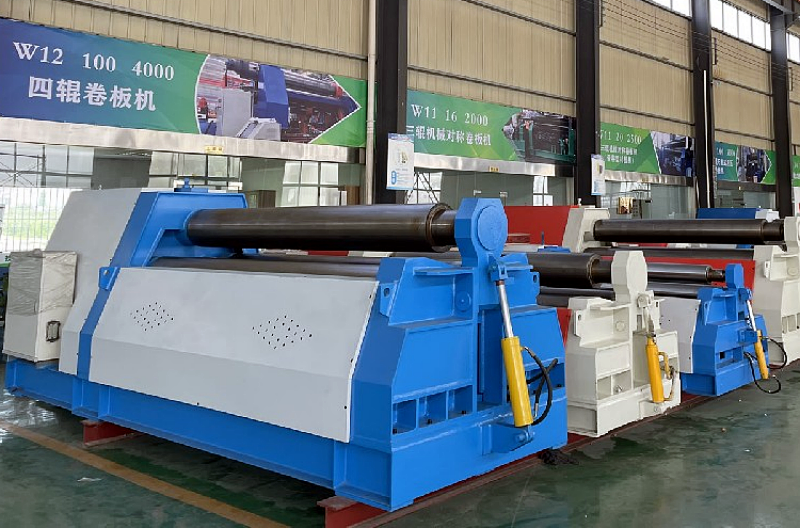
Cleaning System
Cleaning forms the foundation and ensures reliability. During prolonged operation, rolling machines inevitably accumulate oil residue, rust, and metal shavings. These contaminants not only impair the equipment's heat dissipation efficiency but may also accelerate component wear. Thorough cleaning after each shutdown is essential.
Lubrication System
Lubrication is crucial for maintaining smooth rolling machine operation. Whether for rollers, transmission gears, or hydraulic systems, grease lubrication is indispensable. Regularly inspecting lubricant quality and ensuring grease is evenly distributed to all lubrication points effectively prevents premature equipment wear. Routinely check lubricant (oil/grease) levels (e.g., gearbox oil should be at the midpoint of the sight glass), verify manual lubrication points (e.g., guide rails, gear meshing areas) are adequately lubricated, and clear contaminants from lubrication lines (to prevent blockages).
Workbench and Rollers
Remove metal shavings, scale, and other residues from roller surfaces (to prevent sheet metal scratching). Inspect workbench guide rails for flatness (using a spirit level to verify deviation ≤0.1mm/m).
Fastening System
Fastening inspections directly impact equipment safety. As operating hours accumulate, fasteners connecting components may loosen. This compromises both equipment precision and operator safety. Periodically inspect all fasteners, particularly bolts and nuts at critical junctions (especially roller bearing housings and drive shaft connections), for loosening (verify torque values using a torque wrench) and tighten as required.
Beyond routine inspections of mechanical fastenings and lubrication system operation, daily maintenance of the plate rolling machine requires attention to the following aspects.
Electrical System Maintenance
Regularly inspect motor, cable, and controller wiring for secure connections, damage, or ageing. Simultaneously, ensure electrical enclosures remain clean to prevent short circuits or faults caused by dust and debris.
Hydraulic System Maintenance
Hydraulic fluid must be changed periodically to remove contaminants and metal particles, preventing wear on hydraulic components. Simultaneously, inspect cylinder seals to ensure no leakage occurs. Hydraulic valves and piping should also be cleaned regularly to prevent blockages and leaks, guaranteeing stable hydraulic system operation.
In summary, the function of a plate rolling machine is to apply pressure to sheet metal through the coordinated movement of upper, lower, or side rollers. This continuous curling induces plastic deformation, achieving the required curvature radius and shape precision. Plate rolling machines are widely utilised in shipbuilding, pressure vessel manufacturing, pipeline engineering, and steel structure fabrication.